Muay Thai History
Getting to know Muay Thai and it's History
Muay Thai is a combat sport from the muay martial arts of Thailand that uses stand-up striking along with various clinching techniques. This physical and mental discipline which includes combat on foot is known as "the art of eight weapons" because it is characterized by the combined use of fists, elbows, knees, shins and feet, being associated with a good physical preparation that makes a full contact fight very efficient. Muay Thai became popular in the sixteenth century, but became widespread internationally only in the twentieth century, when many Thai fighters won several victories over representatives of other martial arts. The sport of muay Thai is solely governed by the International Federation of Muaythai Amateur and a professional league is governed by the World Muay Thai Council.

Various forms of kickboxing have long been practiced throughout Southeast Asia. Based on Khmer Martial Art originated from Indian martial arts (from the Sanskrit bahu-yuddha meaning unarmed combat),practitioners claim that these systems can be traced back over a thousand years.
Muay boran, and therefore muay Thai, was originally called by more generic names such as pahuyuth (from the Sanskrit bahu-yuddha meaning unarmed combat), dhoi muay (boxing or pugilism, a cognate of the Malay word tomoi) or simply muay. As well as being a practical fighting technique for use in actual warfare, muay became a sport in which the opponents fought in front of spectators who went to watch for entertainment. These muay contests gradually became an integral part of local festivals and celebrations, especially those held at temples. Eventually, the previously bare-fisted fighters started wearing lengths of hemp rope around their hands and forearms. This type of match was called muay khat chueak.

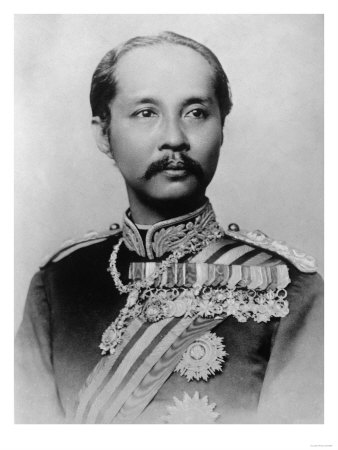
The ascension of King Chulalongkorn (Rama V) to the throne in 1868 ushered in a golden age not only for muay but for the whole country of Thailand. Muay progressed greatly during the reign of Rama V as a direct result of the king's personal interest in the sport. The country was at peace and muay functioned as a means of physical exercise, self-defense, recreation, and personal advancement.
Masters of the art began teaching muay in training camps where students were provided with food and shelter. Trainees would be treated as one family and it was customary for students to adopt the camp's name as their own surname. Scouts would be sent by the royal family to organize matches between different camps.

No comments:
Post a Comment